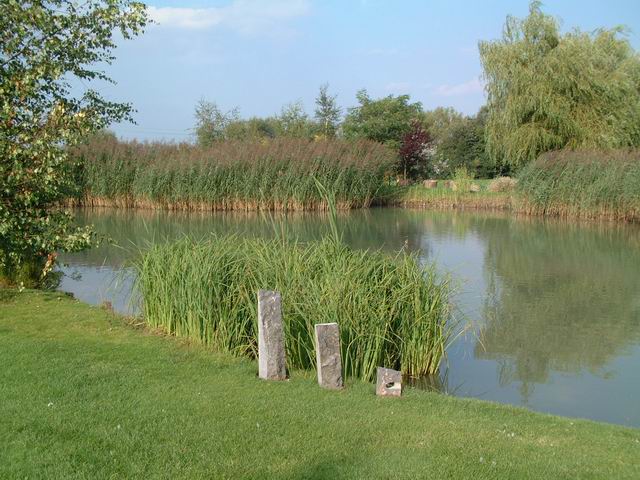
The biological balance of a pond
Here is a small overview whose object will allow you to understand in part the balance of a natural pond but which also applies to a well-planted pond, the aim being not to make a complete presentation of all cycles and speakers. What I would like the reader to understand is that plants have a particularity with regard to the absorption of one of the main elements of their nutrition and, therefore, an element in the competition with algae through the absorption of it by plants. I would also like to make you understand why the intervention of plants relieves a biological filter and, also, understand part of the biological balance process of a natural pond or well-planted pond that finds its biological balance.
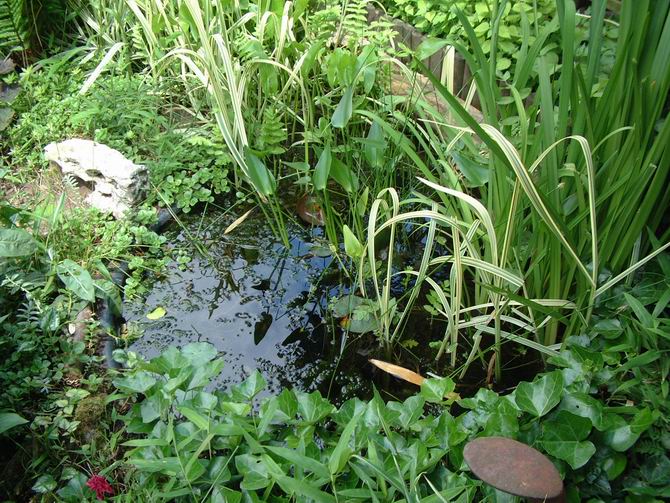
Plants, nitrates and ammonium
It is almost always understood that plants absorb nitrates (NO3 -) and thus contribute to the elimination of algae. It must be noted that the vast majority of aquatic plants in our ponds absorb, first, ammonium (NH4 +) rather than nitrates, and it is only when there is more ammonium that plants consume nitrates. This makes it clear that nature is well done because in a natural pond there is no biological filter that helps to nitrify what is being treated by the nitrogen cycle.
Nitrogen assimilation
Some terrestrial plants prefer nitrates to ammonium. It has been assumed that the same is true for aquatic plants. However, after experimental studies, the opposite can be seen. Scientists who have studied the assimilation of nitrogen by several varieties of aquatic plants or plants have found that only a minority prefer nitrates over ammonium. It was found that ammonium absorption and assimilation require less energy for plants.
The role of aquatic roots
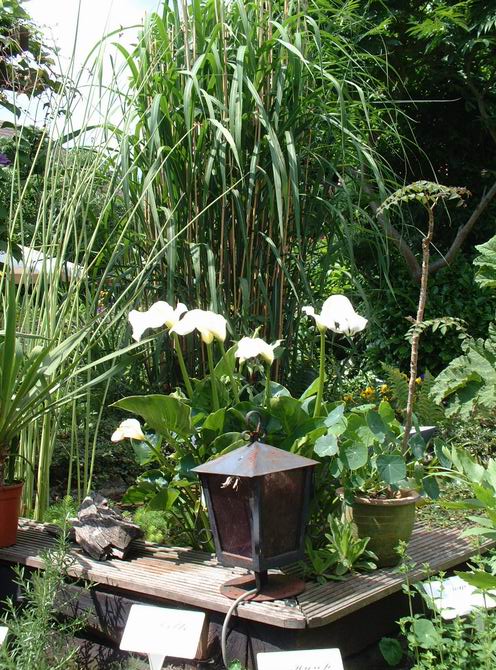
If the process is equivalent for almost all aquatic plants, the plants whose roots have direct contact with water are those that have better action in ammonium absorption, such as floating plants (water lettuce). For other plants, it is a question of planting them in a substrate specific to aquatic plants (rather than in soil) in which the roots have more direct contact with the water.
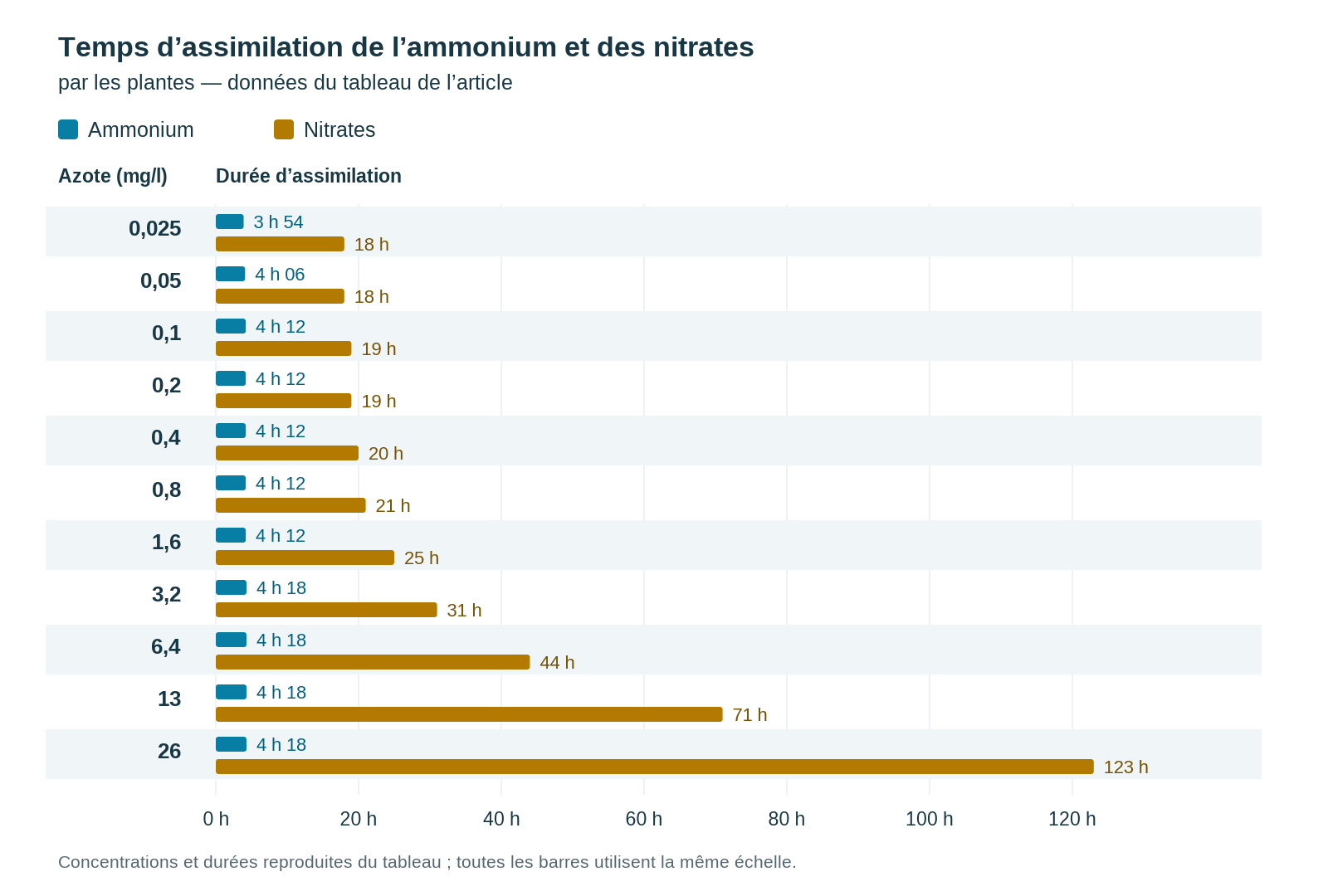
A table shows what the experiments show.
| Azote in the water of plants | Assimilation Nitrates | Assimilation Ammonium |
| 0.025 Mg/l | 18:00 | 3:54 |
| 0.05 Mg/l | 18:00 | 4:06 |
| 0.1 Mg/l | 19,00 | 4:12 |
| 0.2 Mg/l | 19,00 | 4:12 |
| 0.4 Mg/l | 20:00 | 4:12 |
| 0.8 Mg/l | 21h00 | 4:12 |
| 1.6 Mg/l | 25h00 | 4:12 |
| 3.2 Mg/l | 31h00 | 4:18 |
| 6.4 Mg/l | 44h00 | 4:18 |
| 13 Mg/l | 71h00 | 4:18 |
| 26 Mg/l | 123h00 | 4:18 |
For this article, a few excerpts from the experiments come from the book "Ecology of Planted"
by Diana Walstad.
You may have noticed that some plants (waterfowl) have the peculiarity of having only a few roots buried to maintain themselves in place, and that the rest of the roots are located along the stem. Why, if this is to absorb directly ammonium? If it were otherwise, they would prefer absorption by buried roots that would have more nitrates thanks to the nitrification that occurs at the base of them. Other plants that do not have this possibility because of their morphology but are planted in a good substrate, prefer and also consume ammonium. It is necessary to wait until the second year after planting for some plants to develop well at root level, which will allow them to have strong growth and contribute to biological balance.
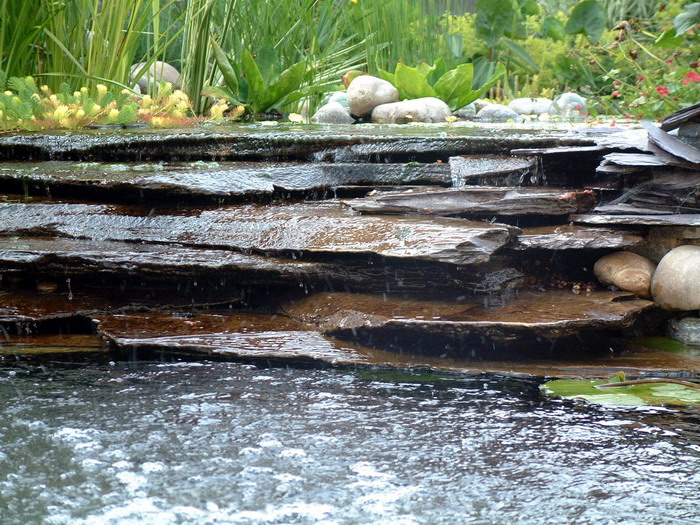
Plants in the balance of the pond
This brief article shows the role that plants can play in a pond to relieve filtration by absorbing directly ammonium which the filter will not need to treat. It is understandable why a well-planted pond with biological filtration is more easily balanced.
Plants and biological filtration
This article has an explanatory role and certainly does not aim to advise you to refrain from having a mechanical and biological filtration for your pond, which would be greatly detrimental to your fish as the plants must be in sufficient number depending on the population of your pond and many other factors such as the size and size of the pond, the maturity of plants, etc. especially since the plants are active only on part of the year. In addition, in case of excess food or other, the filter will be able to absorb the surplus ammonium via the nitrogen cycle. Plants are one of the best supplements for the balance of your pond during the most active period of the year.